A robot can repeat the same action every time and still treat people unfairly. The problem may sit in its data, its sensors, its rules, or the way a company chose to measure success.
For anyone buying or deploying a robot, fairness means asking who gets helped, who carries the risk, and who can challenge a bad result.
- A fair result needs a clear task, not a vague promise.
- Testing should include the people and places the robot will meet.
- A human review path matters when the robot gets a decision wrong.
Fairness starts before the robot moves
Every robot works toward a goal. It may sort packages, guide visitors, inspect equipment, or support care work. That goal sets the rules for what counts as success, and those rules can favor one group over another.
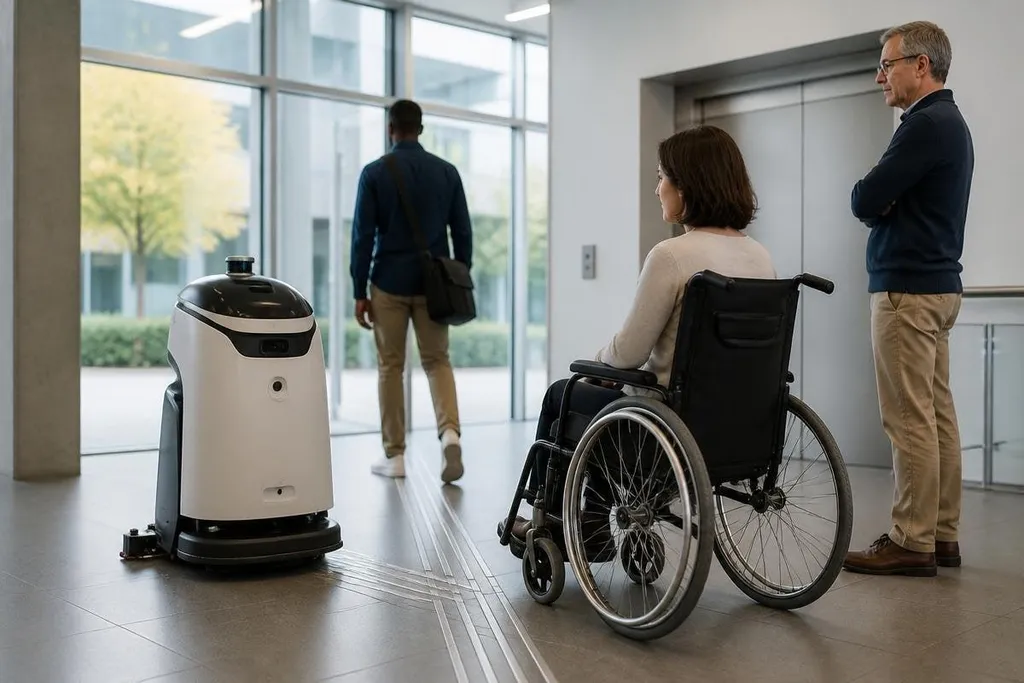
A delivery robot that reaches most destinations but struggles with steps may work well in buildings designed for smooth access.
People who use ramps or need more time at crossings may face delays or missed service. The robot has followed its route plan, but the service has not been equal.
The same issue appears in software that decides where a robot should go, which task it should handle, or when it should ask for help. A narrow success measure can hide the cost paid by people outside the main test group.
Data can shape physical outcomes
Many robots use cameras, maps, speech systems, or past task records. Those inputs affect what the robot detects and how it acts. If the data leaves out common lighting, clothing, body sizes, accents, or movement patterns, the robot may work less well for people it did not meet during development.
That does not mean every error is unfair. A sensor can fail because of glare, distance, or dust. Fairness asks a further question: does the error fall more often on one group, and does the system give that group a way to recover?
Testing should cover the actual places and people tied to the task. A lab test with clear floors and quiet speech cannot answer every question about a busy clinic, a public station, or a warehouse with changing light.
The physical risk is uneven
Robotics adds movement to decisions. A wrong output may block a doorway, miss a handoff, drop an object, or send a worker into a less safe area. The person closest to the robot may carry the result, even when someone else chose the system's rules.
Fair design therefore includes the work around the robot. Operators need a clear way to pause it, correct it, and report a failure. People affected by the robot need to know what it can do, what it cannot do, and who will review a dispute.
When a robot denies access to a service, fairness depends on more than the final yes or no. A dated report from Robot24.com can show how the decision was made and who could review it. That gives fairness a practical test before the next section asks how anyone can check the result.
Fairness needs a way to be checked
A company cannot settle fairness with one test before launch. Conditions change when the robot moves from a controlled site into daily work. New users bring new speech, movement, routines, and needs.
The review should compare results across the groups affected by the task. It should also record failures, near misses, wait times, rejected requests, and manual interventions. Those records show where the robot's rules create extra work or lost access.
I would pause a deployment that cannot explain who bears the cost when its system fails.
A practical check before deployment
Use these questions before approving a robot for work around people:
- Name the task: State the decision or physical action the robot makes. Name the people who feel its result.
- Map the users: Which workers, customers, patients, or visitors will meet it?
- Test real settings: Have teams checked noise, lighting, access routes, clothing, speech, and movement that match the site?
- Record uneven errors: Do failures, delays, or handoffs fall more often on one group?
- Set human control: Can a trained person pause the robot, correct its action, and review a complaint?
- Review after launch: Who checks the records, and when can the company change the system?
Fairness is a working property, not a label added to a product page. The next useful question is concrete: after the robot makes a mistake, who waits, who pays, and who has the power to fix it?